24 Years In The Classroom Taught Us To Prioritize These Things At Back To School
Walk into any secondary ELA classroom, and you’ll find teachers juggling a thousand priorities. We want students to become stronger readers, more confident writers and thoughtful speakers, too. The challenge isn’t knowing what matters… it’s deciding how to do it in the most efficient way. Setting up the school year with strategic lessons to build expectations and routines means you’re setting yourself up for success.
In this post, Allison from @mrsmcmanusela and I, are sharing Back to School activities and structures that we believe every secondary ELA teacher should consider. Whether you’re setting up a brand new classroom or refining your existing routines, these activities are meant to help create engaged readers and classrooms where literacy can thrive.
I, Kara, always start the school year with these three activities to establish my classroom culture and set expectations!
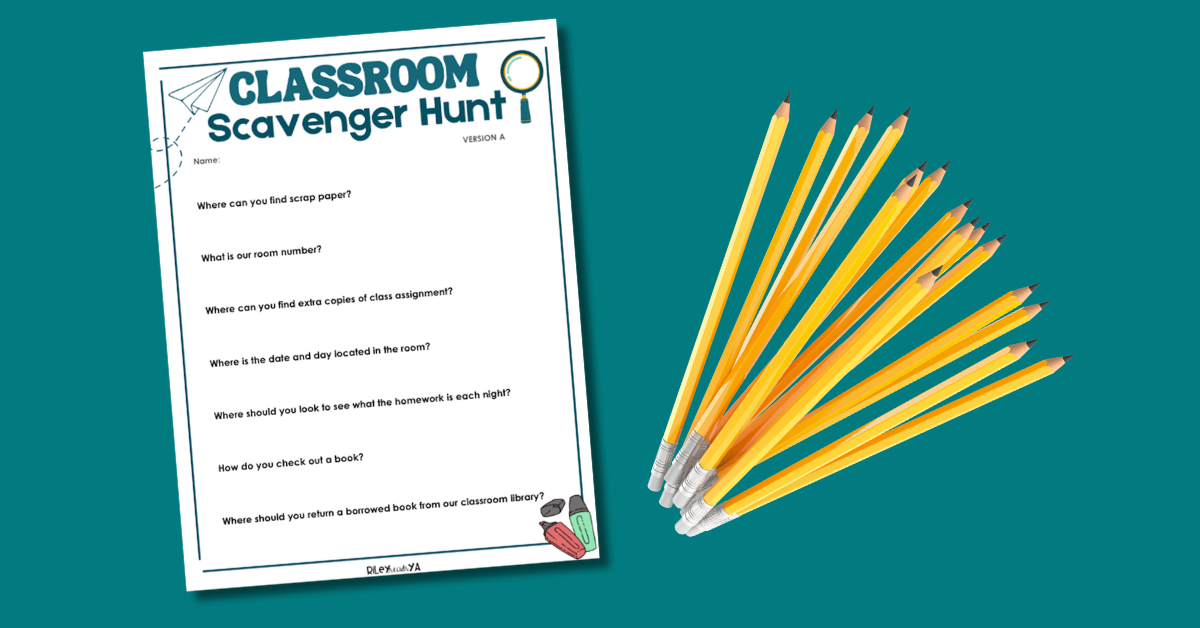
This is editable to suit your classroom needs!
First, I ditch awkward ice breakers and boring lectures, and instead establish the student-centered approach I take for most lessons throughout the year. Using this (editable) classroom scavenger hunt, I get kids up and moving and exploring the classroom space for themselves. It’s a welcome break from talking (for me) and sitting (for students) at the beginning of the year.
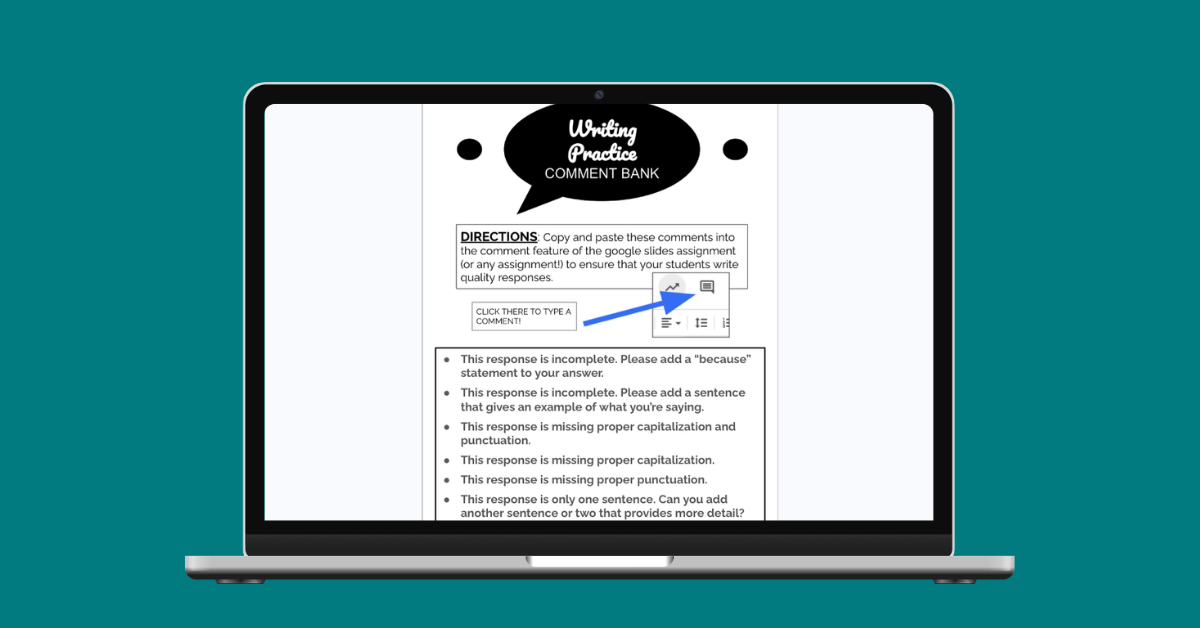
Next, I make sure to set expectations for the kind of written responses I want from my students throughout the year. Using some basic getting-to-know you questions, I ask students to practice writing thorough responses. The best part of this resource is the included rubric and pre-written feedback comments. The key to making this assignment meaningful is commenting on students’ Google Slides quickly (in class!) and having them revise their responses until they meet expectations. No more one-word answers or unexplained answers!
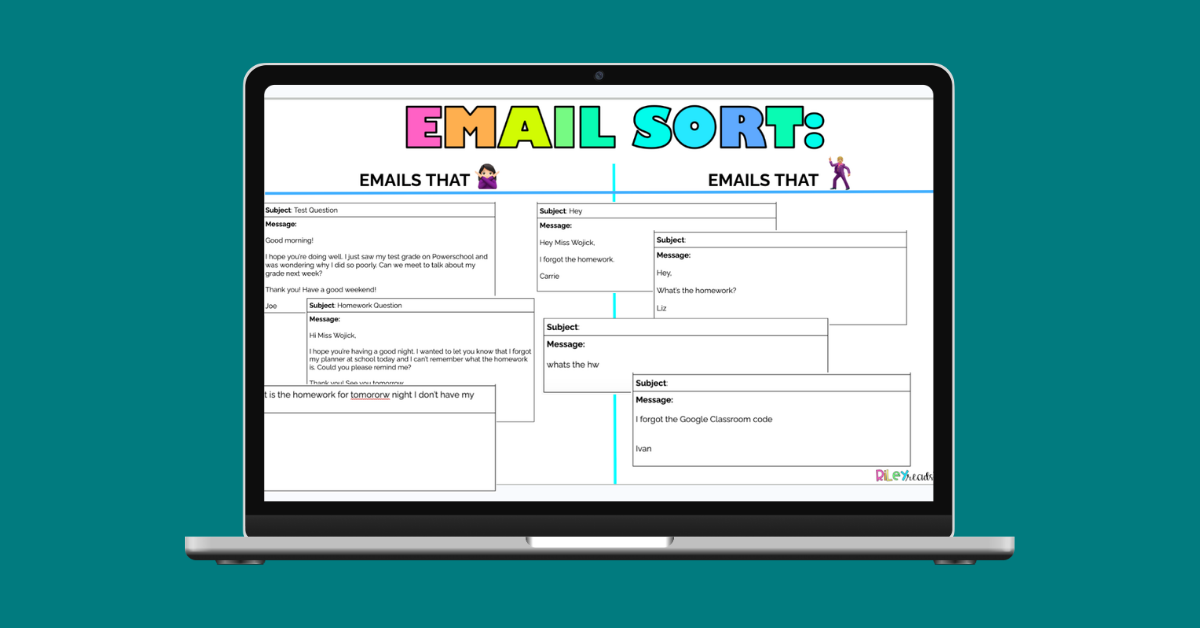
I also teach students how to write a proper email. I have received one too many rude, incomplete, and improperly formatted emails, so I finally decided to do something about it! This email etiquette lesson is so much fun, but also highly effective in teaching all the components of a clear and well-written email. By popular demand, I even created a Halloween version of the same lesson.
BONUS: I always make sure to properly launch independent reading during back-to-school so it sticks all year long. Grab my exact launch plans for free HERE.
Allison prioritizes these three things in the classroom:
Systematic Vocabulary Instruction:
Having a strong vocabulary is one of the biggest facilitators of reading comprehension but it is also something that needs to be really intentionally strengthened. Effective vocabulary instruction needs to be embedded into daily classroom routines. Rather than relying on word lists that students memorize and then forget, a systematic approach gives students repeated opportunities to interact with new words over time. Students need practice using context clues and revisiting words constantly. This type of structured instruction helps students retain vocabulary, improve reading comprehension and become confident enough to tackle unfamiliar words in complex texts.
A strong vocabulary routine should also include explicit instruction in how words work. Teaching spelling patterns, morphology, and other linguistic features alongside vocabulary strengthens students’ orthographic mapping, no matter what age they are! By combining vocabulary with spelling and context clues, we can help students build their word knowledge. And these routines don’t have to consume entire class periods. Even just a few minutes of consistent, purposeful vocabulary each day or once a week can have a lasting impact over the course of the school year.
Grammar in Context
Grammar instruction is really more effective when students can see it as a tool to understand what they’re reading and communicating better. Instead of teaching grammar as an isolated set of rules to memorize, try embedding it into the novels and texts that you’re already using in class. Mentor sentences from class texts allow students to see how authors use language. But, sometimes, the mentor sentences that we need don’t exist in the text that we’re reading. That is where the idea for these Grammar in Context resources came from.
Practice with mentor sentences ABOUT your class text to help students focus on how the language works and scaffold their comprehension. This contextual approach helps students build both syntactic awareness and reading comprehension. As they manipulate sentences and experiment with structure, they develop a deeper understanding of both language and the text itself.
Intentional Seating and Flexible Grouping
Where students sit… and who they work with… can have a surprising impact on classroom culture. We KNOW that but it is also such a pain to create seating charts, at least it is for me! Rather than assigning seats randomly or letting students choose, consider using a more purposeful seating routine that helps you learn about your students while building a little community. Strategic seating and grouping activities encourage students to interact with classmates and practice following directions. With a little creativity, something as simple as assigning seats can become an engaging routine that supports both relationship building and effective instruction.
Happy back-to-school planning!
XO,
Kara